In the post-pandemic landscape, the old logic of business travel—high-volume, short-duration meetings—has been fundamentally challenged by digital connectivity. However, rather than disappearing, travel is undergoing a “Premium Transformation.” For the modern global executive and the sophisticated traveler, the focus has shifted from the frequency of trips to the strategic value of the destination.
The Rise of “Bleisure” and the High-Value Nomad
The boundaries between professional life and personal discovery are blurring. We are seeing the rise of “Bleisure”—the intentional blending of business and leisure. Professionals are extending their corporate trips into week-long stays, bringing their families, and immersing themselves in local cultures. This trend is forcing the hospitality industry to redesign itself, with luxury hotels now offering high-tech “work-suites” alongside world-class spas. Travel is no longer a disruption of work; it is an extension of a high-performance lifestyle.
Destination Diplomacy: Travel as a Soft Power Tool
For many nations, tourism and travel infrastructure have become key pillars of national branding. From the multi-billion dollar “Gigaprojects” in the Middle East to the revitalization of historic European estates, countries are competing to attract the “Global Elite.” These destinations are not just selling a bed for the night; they are selling access to an exclusive ecosystem of art, gastronomy, and networking. In this sense, a nation’s travel infrastructure is a direct reflection of its economic ambition.
The Sustainability Mandate in Luxury Travel
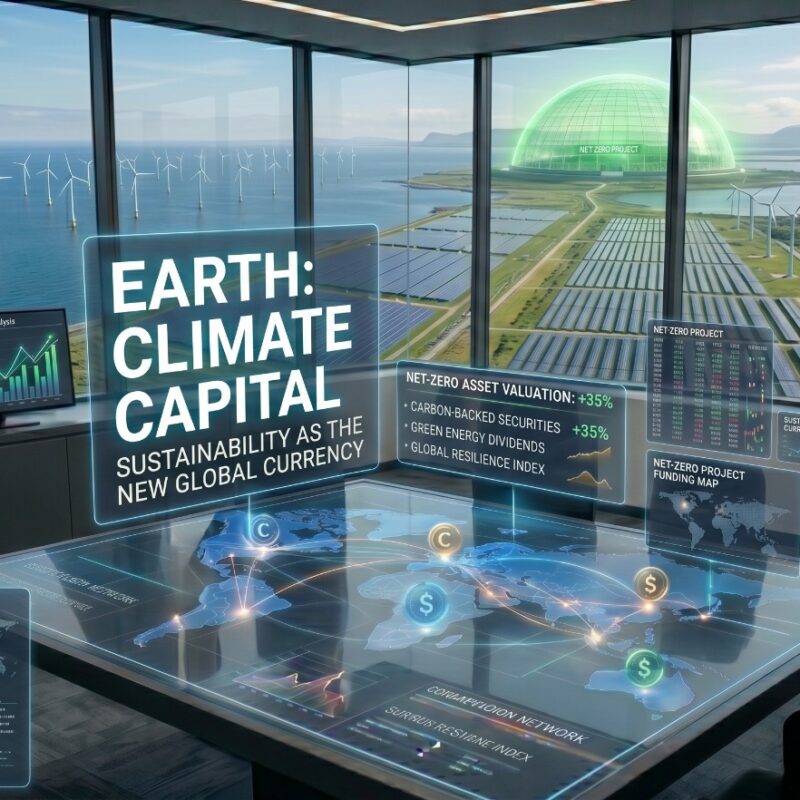
Today’s sophisticated traveler is increasingly conscious of their footprint. This has given birth to the “Conscious Luxury” movement. High-end resorts are now expected to be self-sufficient in energy, eliminate plastics, and actively contribute to local biodiversity. For the travel industry, sustainability is no longer a “green-washing” marketing tactic; it is a requirement for attracting the next generation of wealthy travelers who view environmental stewardship as a mark of true prestige.
The EconoSpot Insight
Travel remains the ultimate “human” layer of the global economy. While a Zoom call can facilitate a transaction, a physical presence builds a partnership. At EconoSpot, we view travel as the heartbeat of global exchange. As the world becomes more digital, the physical experiences of travel—the sounds of a new city, the taste of a local vintage, and the face-to-face handshake—become the most valuable assets in a leader’s portfolio.